
V2K Shielding and Hearing Clarity: Why Some Users Report More Than Tinnitus Relief
When people search for tinnitus relief, their main concern is often the constant ringing, buzzing, or other unwanted sounds they experience. However, tinnitus can affect much more than the perception of a single sound. It may interfere with concentration, make conversations difficult to follow, disturb sleep, and change how someone experiences ordinary background noise.
This is why improvements in tinnitus are not always described simply as “the ringing became quieter.” Some people also notice that everyday sounds become clearer, listening feels less demanding, or they can concentrate more easily.
These broader experiences are especially relevant to V2K shielding approaches based on structured sound therapy. The Dave Case sound program, for example, was developed with the aim of lowering or stopping persistent phantom sounds through repeated listening and auditory adaptation.
Feedback collected from users includes reports of reduced tinnitus, improved hearing clarity, decreased sound sensitivity, better sleep, and improved mental focus.
Understanding how these experiences relate to auditory processing helps explain why some listeners describe changes that extend beyond tinnitus alone.
Hearing Sound and Processing Sound Are Not the Same Thing
Hearing begins when sound vibrations reach the ears and are converted into signals that travel through the auditory nervous system.
However, detecting a sound is only part of the listening process.
The brain must also identify what the sound represents, separate it from competing signals, and decide which information deserves attention.
Imagine trying to follow a conversation in a room where several people are talking. Your ears receive numerous overlapping sounds, but your brain attempts to prioritize one speaker.
This ability is sometimes described as auditory scene analysis.
When unwanted ringing, buzzing, or repetitive tones remain prominent, they can compete for attention with ordinary sounds. Even if the listener can physically detect speech, following the conversation may require greater concentration.
This creates an important distinction between hearing sensitivity and perceived hearing clarity.
Hearing sensitivity concerns the quietest sounds a person can detect. Hearing clarity also involves how easily sounds can be distinguished, interpreted, and understood.
A change in either aspect may influence how someone experiences everyday listening.
How Persistent Phantom Sounds Affect Everyday Hearing
Tinnitus does not necessarily prevent someone from hearing external sounds. Nevertheless, persistent auditory sensations can make listening feel more complicated.
A person may notice ringing while reading, buzzing during conversation, or repetitive tones when trying to fall asleep.
The unwanted sound becomes an additional element in the auditory experience.
For some listeners, the practical difficulty is less about loudness and more about interference with attention.
Examples include:
- Having difficulty following quiet conversations because ringing repeatedly attracts attention.
- Finding it harder to distinguish speech from background noise.
- Becoming unusually sensitive to sharp or high-frequency sounds.
- Experiencing listening fatigue during ordinary activities.
- Struggling to relax in quiet surroundings because unwanted sounds become more noticeable.
These experiences help explain why tinnitus relief can produce benefits that extend into other areas of daily life.
When unwanted auditory activity becomes less prominent, the listener may find it easier to concentrate on speech, music, environmental sounds, and other meaningful information.
The Role of Neuroplasticity in Auditory Processing
The auditory system constantly adapts to experience.
This ability is closely associated with neuroplasticity, the brain’s capacity to modify neural connections and processing patterns through repeated activity.
Neuroplasticity plays a role in learning to recognize unfamiliar voices, understanding new languages, developing musical skills, and adjusting to repetitive environmental sounds.
It also provides a framework for understanding why repeated auditory stimulation may change how sounds are perceived.
In sound therapy, the objective is to introduce an external auditory pattern that the brain can process repeatedly.
Some approaches focus on masking tinnitus temporarily. Others are developed around a broader goal: encouraging the auditory system to reorganize its response to persistent phantom sounds.
In the model behind the Dave Case program, structured audio is intended to interrupt established auditory feedback patterns and promote neural recalibration.
The goal is not limited to making tinnitus less noticeable during playback. It includes helping reduce or stop the unwanted auditory perception over time.
Readers interested in the science of auditory adaptation can explore our neuroplasticity resource.
How the Dave Case CD Fits Into V2K Shielding
R. David Case is an electronics engineer who developed a proprietary structured sound program in 2000 for people experiencing persistent tinnitus and other unwanted auditory sensations.
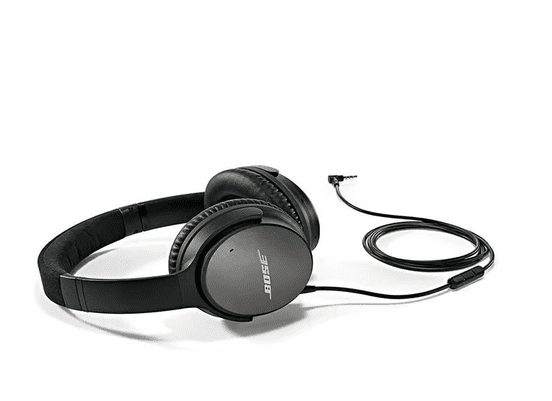
The recording, commonly called the Dave Case CD, is available in CD and microSD formats and is intended for use with recommended headphones.
Unlike an ordinary white-noise track, the program combines several sound components to create a complex auditory pattern.
Its intended purpose is to support changes in auditory processing through repeated listening.
The program is also commonly described as a V2K shield or V2K blocker because it is used by people experiencing tinnitus, repetitive tones, clicking sounds, perceived voices, and other intrusive auditory sensations.
In this context, V2K shielding refers to the program’s intended role as an active sound-based countermeasure.
Rather than functioning solely as background noise, the recording is designed to provide structured auditory input that may help disrupt persistent phantom-sound patterns.
Users have described changes ranging from reduced ringing to improved hearing clarity and periods when unwanted auditory sensations become absent.
What Users Report Beyond Tinnitus Reduction
Feedback collected through the Dave Case website provides an interesting perspective on the range of experiences associated with the program.
Although reducing tinnitus remains a central objective, several additional improvements appear in customer testimonials.
- Improved Hearing Clarity and Range
Some listeners report that ordinary sounds become clearer after consistent use of the recording.
One testimonial describes a user who performed informal high-frequency hearing checks before and after several nights of listening. The user reported being able to detect higher frequencies than before and described the hearing in one ear becoming more similar to the other.
This was a personal observation based on online sound-generation tools, rather than a formal audiometric assessment. Nevertheless, it illustrates why some users consider hearing improvement an important part of their experience.
Other listeners describe clearer auditory perception without referring to specific frequencies.
These reports are relevant because the Dave Case program’s intended effect is broader than temporarily hiding ringing with another sound.
- Reduced Sound Sensitivity
Tinnitus can occur alongside hyperacusis, a condition involving reduced tolerance for ordinary sounds.
Some users of the Dave Case recording report that sound sensitivity becomes less prominent as their listening experience changes.
They may describe greater comfort with everyday auditory environments or a reduced reaction to sounds they previously found intrusive.
Within the program’s neuroplasticity model, repeated structured sound exposure is intended to influence how the auditory system processes and responds to sound.
- Better Sleep
Sleep improvement is another frequently mentioned benefit.
Persistent ringing or repetitive sounds can become particularly noticeable at night, when environmental noise decreases.
Some users report sleeping more deeply after beginning the Dave Case listening routine. Others describe fewer interruptions from unwanted auditory experiences.
The relationship can also work in the opposite direction: better sleep may make it easier to manage stress and maintain concentration during the day.
- Improved Concentration and Mental Clarity
Listening and attention are closely connected.
A persistent sound that repeatedly captures attention can make reading, working, or following a conversation more demanding.
When users report that phantom sounds have become weaker or less frequent, they sometimes also describe improved concentration and clearer thinking.
This is one reason the practical effects of reducing intrusive auditory sensations can extend beyond hearing itself.
- Reduced or Absent Phantom Sounds
The program is also intended to address unwanted experiences such as clicking, repetitive tones, perceived voices, and other phantom sounds.
Some listeners report that these experiences become quieter, occur less frequently, or become harder to follow.
Others describe periods of complete silence after following the listening instructions consistently.
These different experiences are documented in the website’s customer reviews, where readers can explore individual accounts in greater detail.
Why the Recording May Sound Different After Several Days
One distinctive observation associated with the Dave Case CD involves how listeners perceive the recording itself.
During the first sessions, some people describe its sound as harsh, unfamiliar, or complicated.
However, after approximately three to four days of consistent listening, many report that the same recording becomes noticeably smoother or more soothing.
The audio file remains unchanged.
One possible explanation is auditory adaptation: the brain becomes familiar with the structured pattern and gradually responds to it differently.
This reported progression is particularly relevant to the program’s proposed neuroplasticity mechanism.
It demonstrates how a listener’s experience can change through repeated exposure, even when the external sound remains the same.
For the Dave Case approach, consistent listening is an important part of the intended process rather than simply a way to provide continuous background noise.
How to Recognize Changes in Your Listening Experience
Because users describe several types of improvements, it can be useful to consider more than tinnitus loudness alone.
Everyday observations may provide a broader picture of the listening experience.
For example, someone using structured sound may notice changes in:
- Ringing and repetitive sounds: Whether they seem quieter, less frequent, or less distracting.
- Speech clarity: Whether ordinary conversations feel easier to follow.
- Sound sensitivity: Whether familiar environmental sounds feel more comfortable.
- Sleep: Whether falling asleep or staying asleep feels easier.
- Concentration: Whether reading, working, or relaxing requires less effort.
These observations do not need to become a constant monitoring exercise. The purpose is simply to recognize meaningful differences in ordinary daily activities.
The program’s recommended listening method emphasizes consistent use of the supplied recording and recommended headphones. Additional practical instructions are available in the V2K Shield FAQ.
A Broader Perspective on V2K Shielding
The concept of V2K shielding through structured sound is closely connected with the brain’s ability to adapt its auditory processing.
For people experiencing tinnitus or other persistent phantom sounds, the immediate goal may be to reduce ringing or regain periods of silence.
However, the reported experiences associated with the Dave Case CD suggest that listeners may notice changes in several related areas, including hearing clarity, sound sensitivity, sleep, and concentration.
This is an important part of the program’s intended purpose.
Rather than simply competing with tinnitus through louder background audio, structured sound is designed to encourage changes in the auditory patterns associated with unwanted perception.
The Dave Case approach combines a proprietary recording, recommended headphones, and repeated listening to support that process.
For readers researching V2K shielding, V2K blockers, or the Dave Case CD, the central idea is that reducing persistent phantom sounds may improve more than the listening experience itself. It may also help people return their attention to conversations, sleep, work, and ordinary daily activities.